
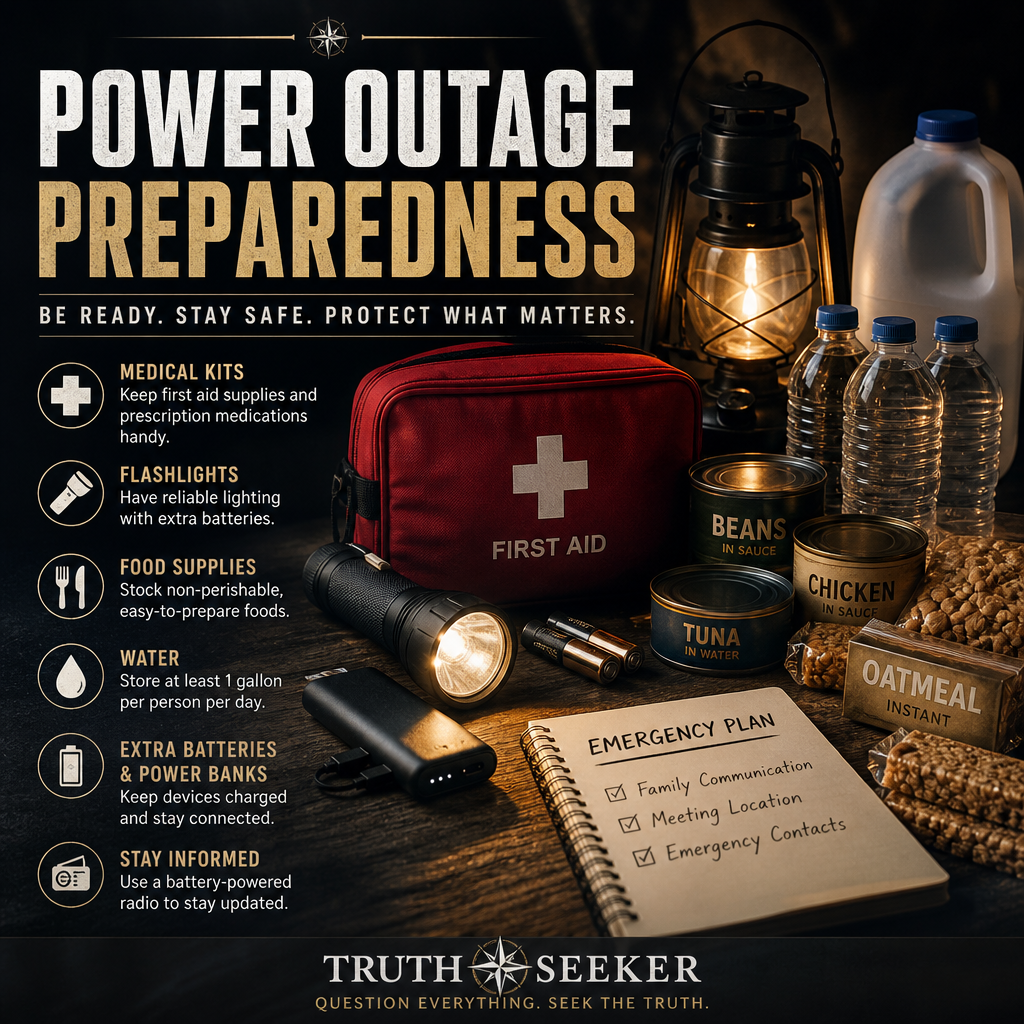
A week without electricity can be difficult even when no major disaster has occurred. In urban and suburban areas, a blackout may affect more than lights: water pressure, elevators, mobile networks, card payments, fuel pumps, refrigeration, and sewage systems can all be disrupted. The best preparation is practical and calm. Plan for basic needs, check on people who may need help, and follow local emergency instructions.
Water: Store More Than You Think You Need
A common planning minimum is one gallon of water per person per day for drinking and basic food preparation. For seven days, that means at least seven gallons per person. Plan for more in hot weather, during illness, for people who are pregnant or nursing, and for pets. This minimum does not cover comfortable bathing or extensive cleaning.
Store water in sealed, food-grade containers or commercially bottled water. Keep it in a cool, dark place, and follow the container’s replacement instructions. Don’t rely on taps continuing to work: buildings that depend on electric pumps may lose water pressure, especially in upper floors.
If your supply runs low, follow local public-health guidance about safe sources and treatment. Clear water can still contain harmful germs. Don’t assume that rainwater, water from a swimming pool, or water from a hot tub is safe to drink.
Food and Refrigeration
Keep a week’s worth of food that you already eat and can prepare safely. Good options include canned meals, nut butters, shelf-stable milk, crackers, dried fruit, and ready-to-eat foods. Remember a manual can opener, and include food suitable for infants, medical diets, or pets.
During an outage, keep refrigerator and freezer doors closed as much as possible. A refrigerator generally keeps food cold for about four hours if unopened; a full freezer can stay cold for about 48 hours, or roughly 24 hours if it is half full. Use a food thermometer if available. Perishable food that has been above 40°F (4°C) for more than two hours should generally be discarded. When in doubt, throw it out—smell and appearance cannot reliably reveal whether food is safe.
Avoid using a charcoal grill, camp stove, or other outdoor cooking device indoors. Even with a window open, these can cause deadly carbon-monoxide poisoning or start a fire. Use only appliances approved for indoor use, and follow their instructions.
Toilets, Waste, and Washing
Find out how your building’s plumbing works before an emergency. Some buildings rely on electric pumps, and sewer systems can also be affected by outages. Use the toilet normally only while plumbing is functioning, and check local utility or building guidance before repeatedly flushing when water or sewer service is disrupted. If sewage backs up, stop using affected fixtures and report it.
Have a backup plan: a camping toilet or a sturdy bucket with a tight-fitting lid can be useful. Use a liner and absorbent material, seal waste securely, and follow instructions from local health authorities for temporary storage and disposal. Keep waste separate from food and drinking water. Wash or sanitize hands after handling it. Never dump human waste into a storm drain, yard, or waterway.
Showers may not be practical during a prolonged outage. Keep unscented wipes, hand sanitizer, washcloths, and a small amount of water for sponge baths. Prioritize handwashing after using the toilet and before handling food. Don’t use candles for light in bathrooms or near towels and other flammable materials.
Heat, Light, and Communication
Prepare for the season. In cold weather, dress in layers, gather household members in one room, and use blankets. Never heat a home with a stove, oven, charcoal grill, or outdoor heater. In hot weather, use shade, light clothing, and plenty of drinking water; check on people at risk from heat illness.
Keep flashlights or battery-powered lanterns and spare batteries where you can find them in the dark. Have charged power banks, a battery- or hand-crank radio, and a way to receive local alerts. Keep essential phone numbers on paper. Cash in small bills may help if electronic payment systems are unavailable.
If you live in an apartment or high-rise, plan for elevators to stop and water pressure to fail. Know the stairs and building emergency procedures. Keep essential medicines, glasses, mobility aids, and a small emergency kit accessible. If someone relies on electrically powered medical equipment, contact their healthcare provider and utility in advance about backup power and emergency options.
Fuel and Generators: Safety Comes First
A generator can provide useful backup power, but it can also cause carbon-monoxide poisoning, fires, or electrocution if used incorrectly. Never operate a generator indoors, in a garage, in a basement, or in an enclosed or partly enclosed space—even with doors or windows open. Place it outdoors, at least 20 feet from doors, windows, and vents, with exhaust directed away from the building. Follow the manufacturer’s instructions and local rules, and use working carbon-monoxide alarms on every level of the home and near sleeping areas.
Connect appliances directly with heavy-duty, outdoor-rated extension cords, or have a qualified electrician install a transfer switch. Never plug a generator into a wall outlet or otherwise “backfeed” household wiring. Backfeeding can send electricity into utility lines and seriously injure or kill workers and neighbors.
Turn the generator off and let it cool before refueling. Store fuel only in approved containers, away from living areas, heat, and ignition sources, and follow fire codes and local limits. Don’t stockpile more fuel than you can safely and legally store. In dense neighborhoods and apartment buildings, a portable generator may be impractical or prohibited; battery power, a building’s approved backup system, or a plan to stay elsewhere may be safer.
Keeping a Neighborhood Calm and Safe
A blackout can make people anxious, especially when updates are limited. Make a household communication plan, agree on a meeting place, and decide how to check on relatives or neighbors. Share verified information from emergency services and utilities. Check on older adults, people with disabilities, and anyone who may be isolated, while respecting their privacy.
Avoid unnecessary travel, keep hallways and exits clear, and use lights discreetly without blocking ventilation or creating fire hazards. Cooperative neighbors can share information and identify urgent needs, but never enter a dangerous building or handle downed power lines.
A Simple Preparation Checklist
Before an outage, assemble:
- Drinking water for at least seven days, plus extra for pets and hot weather
- Shelf-stable food, a manual can opener, and any needed special-diet foods
- Flashlights, batteries, charged power banks, and a radio
- Medicines, first-aid supplies, hygiene items, and toilet backup supplies
- Cash, paper contact information, and copies of essential documents
- A plan for medical devices, pets, elevators, and household communication
- Carbon-monoxide alarms and a safe, practiced plan for any backup generator
A seven-day outage is serious, but preparation can make it manageable. The priorities are safe water, food, sanitation, reliable information, and avoiding preventable hazards—especially carbon monoxide, fire, and unsafe electrical connections




1 thought on “Preparing for a Seven-Day Power Grid Failure”
Thank you for your article & beginning with water preps first.